Understanding the psychology behind gambling behavior in casinos
Understanding the psychology behind gambling behavior in casinos
The Allure of Gambling: An Introduction
The appeal of gambling in casinos is multi-faceted, rooted deeply in human psychology. The thrill of risking something of value for a chance at winning a larger reward taps into our innate desire for excitement and the prospect of gaining wealth. Casinos are meticulously designed to create an environment that heightens these feelings, employing colorful lights, enticing sounds, and strategic layouts that keep players engaged. This sensory overload contributes to an atmosphere of anticipation and hope, where every spin of a slot machine or roll of the dice could yield a life-changing outcome. For those looking to explore more about this dynamic, a great resource is https://betmaccasino-uk.com/.
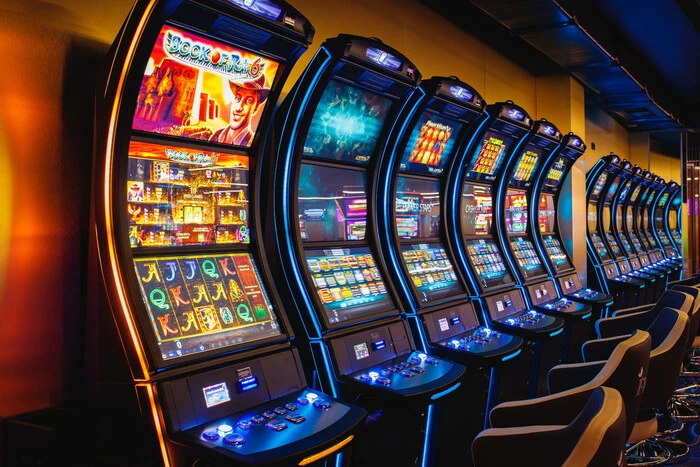
Understanding the allure of gambling goes beyond mere chance; it’s tied to psychological concepts such as the variable ratio reinforcement schedule. This means that rewards occur at unpredictable intervals, which can reinforce behavior more effectively than fixed rewards. Gamblers may find themselves returning to the table or machine, driven by the belief that a significant win is just around the corner. This unpredictable nature of gambling can create a sense of suspense that many find irresistible, making them more inclined to continue betting.
This psychological phenomenon is compounded by social factors as well. In a casino setting, individuals often feel a sense of community among fellow gamblers, sharing in the highs and lows of the gaming experience. This camaraderie can enhance the pleasure derived from gambling, creating a social identity that intertwines with the act of betting. As players become more involved, the stakes may feel more personal, further deepening their commitment to the experience and making it difficult to walk away.
The Role of Cognitive Biases in Gambling
Cognitive biases significantly influence gambling behavior, often leading individuals to make irrational decisions based on flawed reasoning. For instance, the gambler’s fallacy is a prevalent belief that past events can influence the likelihood of future outcomes. A player might assume that after a series of losses, a win is “due,” prompting them to continue betting even in the face of repeated failures. This type of thinking can lead to significant financial loss as individuals chase what they perceive as inevitable fortune.
Another cognitive bias at play is the illusion of control. Gamblers often overestimate their ability to influence outcomes in games of chance, such as slot machines or roulette. This belief can stem from prior experiences where a player feels they made a “good choice” that led to a win. As a result, they may continue to gamble, convinced that their decisions significantly impact the outcome, ignoring the random nature of these games. This skewed perception can trap individuals in a cycle of hopeful wagering.
Furthermore, the availability heuristic causes gamblers to focus on memorable wins while downplaying or forgetting losses. Media portrayals of jackpot winners can create an overinflated perception of success, leading players to believe that they too can achieve similar outcomes. This cognitive bias not only encourages further gambling but also fuels the misconception that gambling is a reliable way to make money, despite the odds typically being against the player.
Emotional Factors Influencing Gambling Behavior
Emotions play a pivotal role in gambling behavior, serving as both motivators and influencers. Many individuals gamble to escape from negative feelings, such as stress, anxiety, or depression. The excitement of gambling can provide a temporary relief, allowing players to forget their troubles, even if just for a moment. This emotional coping strategy can become problematic when individuals rely on gambling as a primary source of stress relief, leading to potentially harmful patterns of behavior.
Moreover, the experience of winning can elicit feelings of euphoria and heightened self-esteem. For many, a win is not just about the money but also about the recognition of skill and luck. This positive reinforcement can create a powerful feedback loop, where the emotional highs associated with winning entice players to return for more. Conversely, losses can evoke negative emotions like shame or frustration, which may lead to further gambling as players attempt to recoup their losses, thus perpetuating a cycle of behavior that often ends in increased financial risk.
Finally, the role of peer influence cannot be underestimated. The social nature of gambling can amplify emotions, as people often gamble in groups, sharing both victories and defeats. This social dynamic can encourage individuals to take greater risks than they would alone, as they seek validation or excitement from their peers. In a casino, the cheers of fellow gamblers can be infectious, making it difficult to resist the temptation to join in, even when one knows they should stop.
The Impact of Environment and Casino Design
The environment of a casino is a crucial factor in influencing gambling behavior. Casinos are intentionally designed to create a unique atmosphere that promotes gaming engagement. The layout of gaming tables, the arrangement of slot machines, and the strategically placed amenities all play a role in keeping players on the floor. For example, the absence of clocks and windows can disorient players, making them lose track of time and increasing the likelihood of prolonged gambling sessions.
Additionally, sensory stimuli such as music, lighting, and the sounds of winning can intensify the gaming experience. The constant din of slot machines ringing, combined with the sight of bright, flashing lights, creates an exhilarating environment that can overwhelm rational decision-making. Gamblers often find themselves caught up in this sensory experience, focusing more on the excitement rather than the potential consequences of their actions, leading them to gamble more than they initially intended.
Promotional strategies, such as free drinks or loyalty programs, further enhance the allure of gambling environments. Casinos may offer complimentary beverages or meals to keep players at the tables longer, fostering a sense of generosity that encourages continued play. These tactics not only deepen the emotional investment players have but also create an expectation of reward that can be hard to resist, driving many to continue gambling far beyond their planned limits.
Betmac Casino UK: A Modern Perspective on Gaming Psychology
Betmac Casino UK embodies the modern approach to online gaming, providing a platform that is aware of the psychological dynamics involved in gambling. With over 2,000 exciting casino games, Betmac has created an environment that offers not only entertainment but also thoughtful consideration of player experience. The welcoming atmosphere is enhanced by an attractive £525 welcome bonus and 100 free spins, designed to entice new players without overwhelming them.
The site prioritizes user experience, allowing for quick registration and fast crypto withdrawals, creating an efficient gaming environment. By focusing on ease of use, Betmac ensures that players can navigate the site without unnecessary stress, allowing them to enjoy their gaming experience fully. This player-centric approach reflects a growing understanding of the psychological factors that influence gambling behavior, promoting responsible gaming.
Moreover, Betmac Casino UK is committed to providing reliable customer support and regular promotions, ensuring that players feel valued and supported throughout their gaming journey. This attention to player welfare is crucial, as it helps create a more sustainable gambling environment where individuals can enjoy their gaming experiences responsibly, with an understanding of the psychological underpinnings that can affect their behavior.