Why casinos are more than just games of chance
The Evolution of Casinos
Casinos have a rich history that dates back centuries, evolving from simple gambling establishments to multifaceted entertainment hubs. Early gambling games were often played in informal settings, but as demand increased, more structured environments began to emerge. The first recognized casinos were established in Italy in the 17th century, gradually spreading across Europe and the Americas, and today, many players enjoy options like online sports betting canada that complement traditional gaming experiences. This evolution reflects not only a change in gaming but also a transformation in societal perceptions of risk, entertainment, and social interaction.
Today, casinos represent a blend of tradition and modernity. They incorporate luxurious designs, advanced technology, and a wide range of services, turning them into vibrant social venues. While gaming remains central, casinos have adapted to incorporate fine dining, live entertainment, and hotel accommodations, appealing to a broader audience. This multifaceted approach attracts not just avid gamblers but families and tourists seeking unique experiences, demonstrating that casinos are now more about leisure and lifestyle than mere games of chance.
The design and architecture of casinos also reflect this evolution, merging aesthetics with functionality to create immersive environments. Iconic structures like the Bellagio in Las Vegas showcase stunning water features, art, and themed areas that entice visitors. This blend of visual appeal and strategic layout fosters an engaging atmosphere, encouraging guests to stay longer and explore, ultimately enhancing the experience beyond simple gambling. The interplay of light, color, and sound creates an inviting space that feels alive, making every visit a memorable occasion.
Cultural Significance of Casinos
Casinos hold a unique cultural significance across different societies, often symbolizing the thrill of chance and the pursuit of fortune. In many cultures, gambling is intertwined with social customs, celebrating luck and community through various games. Events like poker nights or local betting tournaments can strengthen bonds and foster relationships, making casinos a cornerstone of social interaction in numerous communities. This cultural aspect transforms gambling into a shared experience, where stories and memories are created and recounted over time.
Moreover, casinos often reflect regional heritage and influences, adapting their offerings to resonate with local traditions. For instance, many Asian-inspired casinos incorporate elements of Feng Shui, aiming to create a harmonious environment that attracts positive energy. This cultural integration not only appeals to local patrons but also provides tourists with a taste of the region’s identity, highlighting the way casinos serve as cultural crossroads. By intertwining local customs with gaming, casinos elevate the gambling experience into a celebration of cultural diversity.
Additionally, many casinos frequently participate in community initiatives, supporting local charities and events. Through sponsorships and donations, they contribute to the economic fabric of their surroundings, reinforcing their role as stakeholders in their communities. This engagement fosters a positive image, showing that casinos can be contributors to societal well-being while providing entertainment, thus enhancing their significance beyond just gambling. By hosting charity events or local festivals, casinos further embed themselves into the community, demonstrating their commitment to making a difference.
The Psychological Appeal of Casinos
The allure of casinos can be traced back to various psychological factors that attract individuals to gamble. The excitement of risk-taking and the thrill of winning can stimulate the brain’s reward centers, releasing dopamine and creating feelings of pleasure. This intrinsic motivation drives players to seek out the exhilarating environment of casinos, where the potential for rewards heightens the overall experience. The anticipation of winning not only adds excitement but also fosters a sense of hope and possibility, making every game a chance to dream.
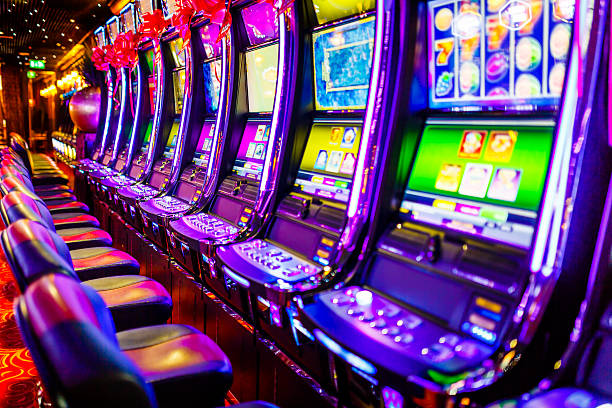
Moreover, the design of casino spaces is intentionally sophisticated to engage the senses and enhance the overall atmosphere. Bright lights, vibrant sounds, and the buzz of excitement create an immersive experience that draws individuals in and keeps them entertained. This strategic design encourages guests to lose track of time and ultimately reinforces the desire to continue gaming, making the casino experience feel more engaging and less about the odds. The architectural layout often guides players through a labyrinth of excitement, ensuring they remain captivated.
Additionally, casinos have adeptly incorporated technology into the gambling experience, enhancing interactivity and engagement. The rise of online gaming platforms has changed how people experience casinos, making gambling accessible from the comfort of home while maintaining the social aspect through multiplayer games. This digital transformation reflects the changing dynamics of human interaction and the enduring appeal of gambling as a form of entertainment, emphasizing that casinos have become synonymous with social engagement, not just luck. The fusion of technology and tradition creates a new wave of experiences that cater to modern preferences.
The Role of Entertainment Beyond Gambling
Modern casinos have evolved beyond focusing solely on gambling to offer diverse entertainment options that appeal to a wide range of audiences. From live music performances and theatrical productions to stand-up comedy shows, casinos serve as entertainment venues that host renowned artists and performers. This diversification not only attracts more visitors but also enhances the overall experience, allowing guests to engage with various forms of entertainment during their stay. The variety of performances ensures that there is something for everyone, transforming the casino into a cultural hub.

Additionally, many casinos include luxurious dining options featuring gourmet restaurants with world-class chefs. These culinary experiences attract food enthusiasts and contribute to the casino’s reputation as a premier destination. The combination of fine dining with gaming creates a unique experience where guests can indulge in exquisite dishes, socializing with friends and family while enjoying the thrill of chance. Dining becomes an event in itself, elevating the overall experience and offering guests a well-rounded outing.
The incorporation of non-gaming activities also allows casinos to cater to families and those who may not be interested in gambling. By offering attractions such as shopping, spas, and recreational facilities, casinos broaden their appeal, making them suitable destinations for all age groups. This family-friendly approach enhances the perception of casinos, presenting them as holistic entertainment hubs rather than just places for gambling, thus attracting a diverse clientele. Some casinos even offer kid-friendly zones, ensuring that every family member has a memorable experience.
Exploring the Website’s Role in Casino Culture
In today’s digital age, the presence of a well-designed website plays a crucial role in shaping the identity and accessibility of casinos. A website serves as the primary interface between potential visitors and the establishment, providing essential information about gaming options, entertainment schedules, dining experiences, and special promotions. It is through a casino’s website that guests can explore the myriad offerings, fostering interest and engagement before even stepping foot inside. This online presence becomes a vital tool for marketing and customer engagement.
Additionally, modern casinos utilize their websites to create communities among their patrons. Many casinos offer loyalty programs and exclusive online promotions, encouraging users to sign up and engage regularly. This interactive aspect strengthens customer relationships and enhances the experience of visiting the casino, tailoring offerings to individual preferences and creating a sense of belonging. The use of personalized content and targeted promotions helps build a loyal customer base that feels valued and appreciated.
Furthermore, the website serves as a platform for casinos to promote their social responsibility initiatives, showcasing their commitment to responsible gaming and community engagement. By highlighting these efforts, casinos can enhance their public image, appealing to a modern audience that values corporate responsibility. This transparency fosters trust and reinforces the notion that casinos are not merely places of chance but also contributors to the larger community narrative. The emphasis on social responsibility positions casinos as ethical establishments in the eyes of the public.