Can luck really influence your casino experience?
The Concept of Luck in Gambling
The idea of luck is often romanticized in gambling, particularly in casinos where the roll of dice or the spin of a wheel can alter fortunes in a heartbeat. Luck is perceived as an uncontrollable force that influences the outcome of games, creating a sense of thrill and excitement. This notion leads many players to believe that simply being in the right place at the right time can lead to monumental wins, especially when visiting a fast withdrawal online casino canada where speed and luck can combine for incredible results. For instance, some avid gamblers attribute their biggest wins to serendipity, recalling moments where they felt overwhelmingly fortunate as they placed their bets.
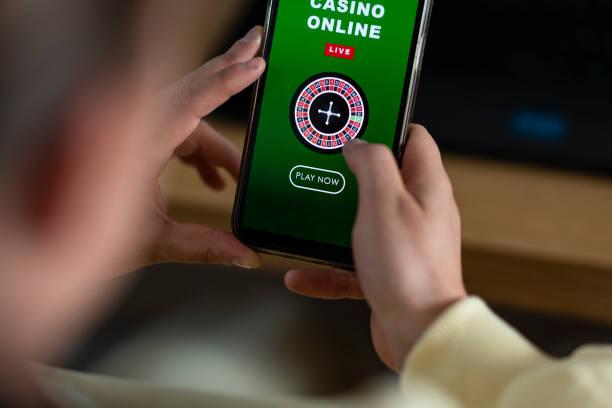
This belief in luck can significantly impact a player’s mindset while engaging in casino activities. When individuals are convinced that luck is on their side, they might take more risks, potentially increasing their chances of winning larger sums of money. Conversely, a player who feels unlucky may find themselves playing conservatively or even deciding to leave the casino early. Overall, luck plays a psychological role that not only informs gambling strategies but also enhances the overall gaming experience.
Moreover, the games themselves are often designed to play into the luck narrative. Slot machines use bright lights and sounds to create an exhilarating atmosphere that amplifies the feeling of luck. Players often find sense in rituals or habits, believing that specific actions can invite good fortune. Such behaviors can include wearing certain clothes, conducting pre-game rituals, or choosing specific machines, all of which embody the essence of luck in the gaming environment. This interaction between belief and experience forms a compelling aspect of gambling culture.
The Role of Skill Versus Luck
While luck undoubtedly plays a significant role in gambling, it is essential to recognize the importance of skill in many casino games. Table games like poker, blackjack, and craps require a degree of strategy and expertise that can alter the outcome of a game, irrespective of luck. Players who invest time in learning the rules and developing strategies can enhance their performance, thereby changing the odds in their favor. For example, a skilled poker player understands how to read opponents and make calculated bets based on game dynamics, effectively using skill to mitigate the randomness associated with luck.
The balance between luck and skill varies significantly across different casino games. In games like roulette or slots, luck tends to dominate since outcomes are random and rely entirely on chance. However, in games like blackjack, players have the opportunity to use strategy to their advantage, demonstrating that while luck is an influencing factor, it does not overshadow skill. This juxtaposition is a critical aspect for players to consider when determining their approach to gambling.
It’s also worth noting that understanding the role of skill can help temper the belief in luck. Players who acknowledge that skill can influence outcomes may avoid the emotional rollercoaster associated with wins and losses. This perspective can lead to more informed decisions about betting limits and strategies, reinforcing responsible gambling practices. Ultimately, a successful casino experience often hinges on a delicate interplay between luck and skill.
The Psychology Behind Luck in Casinos
The psychology behind luck in casinos is intriguing and multifaceted. Players’ perceptions of luck can significantly affect their gaming behaviors and overall experience in a casino environment. For many, the belief in luck can evoke feelings of hope and excitement, leading to a more enjoyable gambling experience. This sense of hope often encourages players to engage in riskier bets, propelled by a belief that their lucky streak could be just around the corner. Such psychological phenomena can create a powerful and captivating gaming atmosphere.
Conversely, the notion of bad luck can lead to frustration and even despair among players, impacting their decision-making and gaming experience. When players feel that luck is against them, they may engage in ‘chasing losses,’ a behavior where they continue to gamble in an attempt to recover lost money, often resulting in further financial losses. Recognizing these psychological nuances can help players maintain a balanced approach to gambling, appreciating the joys of the game while acknowledging the risks involved.
Additionally, casinos often capitalize on the psychology of luck as part of their marketing strategies. Promotions, jackpots, and themed games are designed to enhance the notion of luck and create an engaging atmosphere. Many casinos implement features such as player loyalty programs and interactive games that encourage players to believe they can influence their luck through repeated play. Understanding these psychological elements can empower players to navigate their casino experiences more effectively.
Statistical Reality of Casino Games
Despite the allure of luck, it is essential to ground casino experiences in statistical reality. Each game has odds and probabilities that dictate the likelihood of winning or losing. For instance, in games like baccarat or blackjack, players can analyze statistical outcomes and make decisions accordingly. Casinos typically have a built-in advantage known as the house edge, which is mathematically calculated based on the probabilities of different outcomes. Players who familiarize themselves with the odds can make more informed choices, recognizing that while luck may play a part, the statistics hold significant weight.
Consider the role of probability in slot machines, where payouts and winning combinations are determined by random number generators. While some players may experience short-term wins, the long-term nature of the game always favors the house. This highlights the importance of understanding the statistical mechanics behind gambling, allowing players to engage with it more mindfully. A deeper comprehension of probability can aid players in setting realistic expectations, ultimately leading to a more balanced and enjoyable experience.
It’s also crucial to acknowledge that players often mistakenly attribute wins to luck while ignoring the probability factors at play. This misconception can lead to a skewed perception of success in gambling, where players believe their luck is the primary driver of their achievements. By aligning understanding of luck with statistical realities, players can navigate their casino visits with an informed mindset, blending enjoyment with responsibility.
Conclusion: Finding Balance in the Casino Experience
Ultimately, whether you’re a believer in luck or a proponent of skill, navigating the casino environment requires a balance of both elements. Acknowledging the role of luck can enhance the thrill of the experience, while understanding the importance of skill and probabilities can lead to more informed and responsible gambling. Every player brings their own beliefs and strategies to the table, creating a unique tapestry of experiences shaped by both luck and personal approach.
It is essential to be mindful of the psychological factors at play in the casino environment. Players should aim to cultivate a healthy relationship with luck that enhances enjoyment without leading to risky behaviors. By doing so, they can embrace the excitement of unpredictability while safeguarding against the downsides of gambling.
For anyone seeking guidance on enhancing their casino experience, it’s beneficial to explore resources that delve into strategies and responsible gambling practices. Whether it’s a matter of understanding the odds or embracing the narrative of luck, informed decisions can lead to more enjoyable and rewarding experiences in the world of gaming. This approach allows players to enjoy the thrill while maintaining a realistic perspective on their chances and overall experience.